Living Well in Sale and Partington
Live Well is Trafford’s approach to supporting residents to improve their health and wellbeing through stronger communities, earlier support and better access to local opportunities. As part of the initial Live Well pilot in Sale and Partington, Trafford Council commissioned Healthwatch Trafford to gather the views and experiences of local residents.
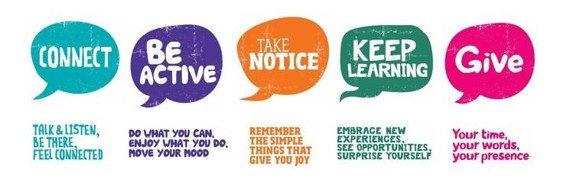
Healthwatch Trafford conducted a survey between March and April 2026, receiving 765 responses. A further 11 residents took part in three focus groups held in Partington and Sale. The research explored what helps residents maintain their wellbeing, what barriers they face, and what improvements they would like to see within their local communities. The project was informed by the Five Ways to Wellbeing framework: Connect, Be Active, Take Notice, Keep Learning and Give.
Key Findings
- Most respondents reported good wellbeing. However, 16.7% of respondents rated their wellbeing as poor or very poor.
- Physical activity and connecting with others were the two wellbeing factors that residents considered most important. These themes appeared consistently throughout the survey and focus groups.
- The most commonly reported barriers to wellbeing activities were time pressures related to work, caring and family responsibilities, followed by cost and a lack of awareness of available activities and support.
- Respondents with a disability or long-term health condition were less confident finding information about local services and support, and were more likely to experience physical and mental health barriers to participation.
- Many residents said they would find additional wellbeing activities useful. Physical activities, social activities and wellbeing-focused activities were the most popular types of support identified by respondents.
- Survey respondents frequently requested more opportunities for exercise, social connection, learning and creative activities. Many also highlighted the importance of accessible community spaces and better promotion of existing activities.
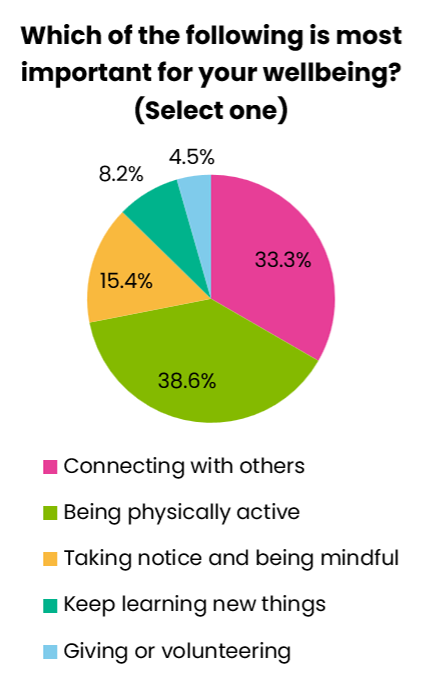
- Focus group participants in both Sale and Partington emphasised the importance of community centres and community spaces in supporting wellbeing. Participants described these spaces as important places for social connection, volunteering, information sharing and community-led activity.
- Awareness of local opportunities emerged as a significant issue across both the survey and focus groups. Many residents said they did not know what activities were available locally or where to find information about them.
- In Partington, participants expressed concerns about the loss of community facilities and the impact this may have on opportunities for social connection and community activity. In Sale, participants highlighted the need for better coordination and promotion of existing wellbeing opportunities.
Recommendations
Awareness and Communication
- Improve promotion of local wellbeing activities through a coordinated approach that uses both digital and non-digital communication channels.
- Maintain an accurate and up-to-date source of information about local wellbeing opportunities, community activities and support services.
Accessibility and Inclusion
- Ensure Live Well activities are accessible to residents facing different barriers, including disabled residents, carers and people with poor health.
- Consider transport, timing and accessibility when developing and promoting wellbeing activities.
Community-Based Delivery
- Continue supporting community venues as important assets for wellbeing, social connection and local activity.
- Support community-led groups and initiatives that reflect local interests and needs.
- Prioritise activities that promote both physical activity and social connection.
Ongoing Engagement and Co-Production
- Continue involving residents, volunteers and community organisations in the development of Live Well.
- Ensure future engagement reaches people who may be less connected to existing community networks or wellbeing activities.
- Monitor local needs and experiences to ensure Live Well remains responsive to different neighbourhoods and communities.